







Search Results for: Saliva Effect
An Analysis of Taiwan Honey-Scented Black Tea Grades: The Origins of Authentic Honey Fragrance, the Saliva-Depositing Mechanism of the Small Green Leafhopper, and the Production Process
Honey Scented Black Tea is a highly representative fully fermented tea from Taiwan, with major production areas covering New Taipei City, Hualien, Nantou, Chiayi, and other places, and the production season concentrated from May to September. Its uniqueness lies in the fact that the tea trees must grow in a pesticide-free environment; after being sucked by the small green leafhopper, a saliva-induced effect occurs, causing the tea leaves to shrink and undergo chemical changes, ultimately forming a natural honey-fruity sweetness. Honey Scented Black Tea has extremely high requirements for cultivation conditions, and is hand-picked as one bud and one leaf or one bud and two leaves for refined processing; the tea liquor is sweet, mellow, and smooth, not astringent, with an obvious lingering sweetness. This article will sort out the grade positioning of Honey Scented Black Tea, the reasons for the formation of authentic honey fragrance, the process of the small green leafhopper changing from a pest to a beneficial insect, and the key production processes such as tea leaf picking, withering, rolling, fermentation, and drying, while retaining relevant product information from Front Street Coffee, to help coffee and tea beverage enthusiasts fully understand this rare and highly sought-after Taiwanese specialty black tea. [more…]
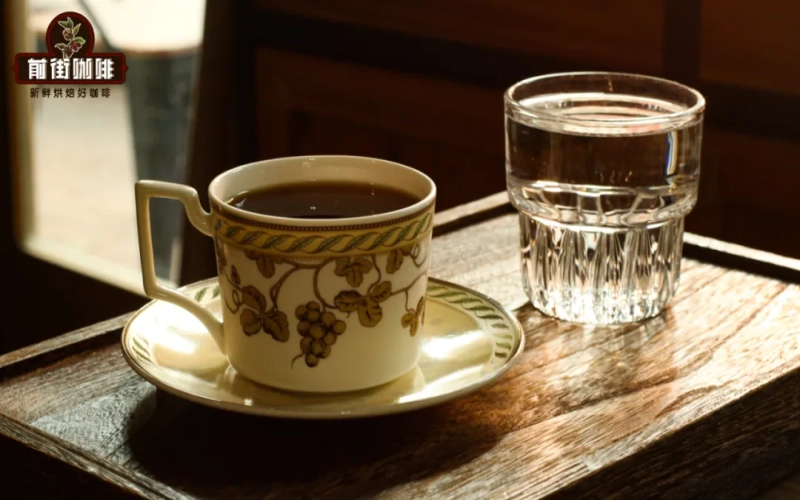
The Science Behind Coffee's Sweet Aftertaste: Why Does Water Taste Sweeter After Coffee? Taste Bud Distribution and Taste Mechanisms
Many coffee lovers have had this experience: after drinking a cup of espresso or single-origin coffee, plain water tastes remarkably sweet. Behind this phenomenon lies the working mechanisms of taste receptors, the effect of taste contrast, and the physiological role of saliva secretion in the mouth. Starting from real customer feedback at Front Street stores, this article systematically analyzes the principles behind coffee's sweet aftertaste, explains the distribution and function of taste buds on the tongue, and explores why coffee's bitterness actually enhances the sweetness of the water that follows. At the same time, the article will draw on specific products such as Front Street Strawberry Candy, Front Street Blackberry, Front Street Mozart, Front Street Sidra, and Front Street 2013 Yunnan Small-Bean to help readers understand this fascinating taste phenomenon more intuitively. [more…]

Why Drink Iced Water Before Coffee Tasting? The Origins of Espresso with Iced Water and an Analysis of Its Applicability to Pour-Over
When ordering at a café, you'll often see a glass of ice water served alongside an espresso, and many enthusiasts are in the habit of drinking ice water before their coffee. Can this glass of ice water actually help us perceive coffee flavors more clearly? Front Street Coffee will approach this from the perspective of oral sensory cleansing, explaining how ice water enhances the tasting experience by rinsing away residue, stimulating saliva production, and numbing the palate through low temperature, while also tracing the origins of this practice in espresso culture. It will also discuss whether pour-over coffee is suited to the same approach, and why room-temperature water is gentler on the stomach and intestines. [more…]
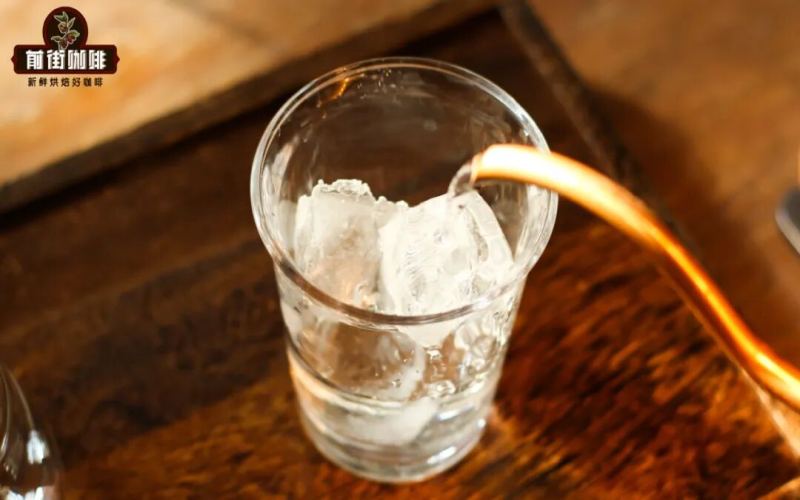
Coffee Flavor Tasting | Can drinking ice water before drinking pour-over coffee help you taste more flavors? What role does ice water play in the coffee tasting process?
"By rinsing our mouths with ice water, we can better appreciate a cup of coffee and more easily capture its delicate flavors." This is a saying that has long circulated in the community. That's why we often see customers in cafés, after ordering their coffee, ask the barista for a cup of ice water, and their main purpose is precisely this. [more…]
Are Coffee Aftertaste and Sweetness the Same Thing? High-Sweetness, Low-Acidity, Low-Bitterness Coffee Bean Recommendations and Aftertaste Analysis
In coffee tasting, "hui gan" (returning sweetness) is often used to describe the pleasant mouthfeel brought by a good cup of coffee. But are hui gan and sweetness really the same experience? Starting from the concept of aftertaste, this article analyzes the formation mechanism of hui gan, its difference from sweetness, and the factors that affect the persistence of aftertaste. At the same time, for those who prefer flavors that are high in sweetness and low in acidity and bitterness, we recommend several Front Street Coffee beans, including the Classic Blend, Brazil Queen Estate, PWN Golden Mandheling, and Boquete Geisha, to help you find the flavor you like in your daily brewing. [more…]
Are Coffee Aftertaste and Sweetness Really the Same Thing? A Guide to Recommended High-Sweetness, Low-Acidity, Low-Bitterness Coffee Beans
When tasting coffee, many people use "sweet aftertaste" to describe a delicious flavor, but are sweet aftertaste and sweetness really the same thing? Starting from the concept of finish, this article will clarify the essential difference between sweet aftertaste and sweetness, and analyze the mechanism of sweet aftertaste formation and the principles of perception—it needs to be based on bitterness or astringency and can only be perceived through taste contrast. At the same time, the article will also explore the differences in finish performance between dark-roasted and light-roasted coffee, and recommend a number of Front Street selected coffee beans for friends who prefer flavors that are high in sweetness, low in acidity, and low in bitterness, helping you find the cup you love in your daily brewing. [more…]
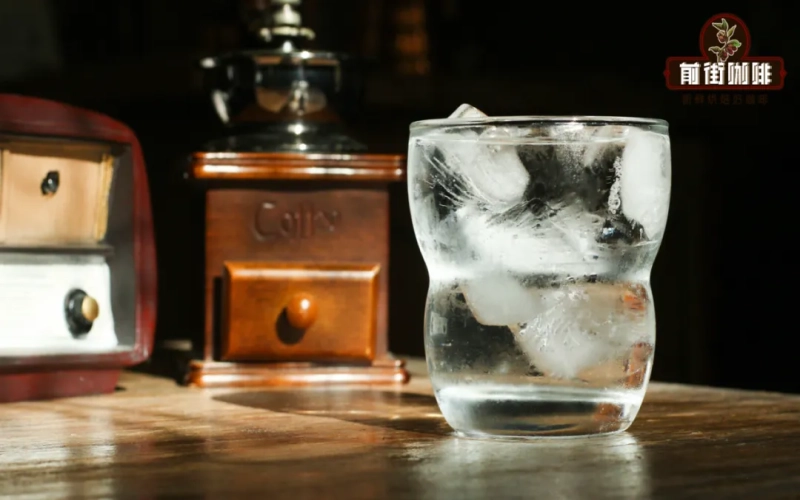
The Mystery of Espresso Paired with Ice Water: A Complete Analysis from Palate Cleansing to Flavor Perception
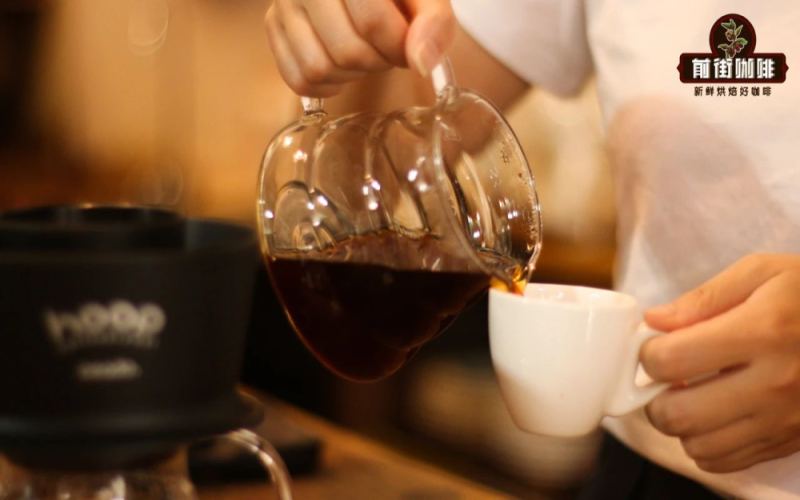
When you order an espresso at a coffee shop, it is often served with a small glass of ice water. This seemingly simple pairing actually embodies the scientific principles of coffee tasting. The ice water does not directly clean the palate; rather, it stimulates saliva production through the cold temperature, and the enzymes in the saliva help clear residual particles from the mouth, allowing us to perceive the coffee's flavors more accurately. This is especially true for the highly concentrated espresso, where lingering volatile compounds in the mouth can interfere with the taste buds and retronasal olfactory judgment. Drinking ice water beforehand can effectively enhance flavor perception. This article will provide an in-depth analysis of the mechanism by which ice water functions in coffee tasting, and how this small gesture can help you experience the aroma and layers of the coffee itself more fully. [Image 1] [more…]

What exactly does "tea-like" mean in coffee tasting? From sweet aftertaste and salivation to astringency analysis, interpreting the difference between tea-like and astringent sensations
In coffee flavor descriptions, "tea-like" is a concept widely used in China yet constantly debated. Some people understand it as the aroma of a certain kind of tea, some think it is simply the astringency that returns in the mouth, and still others categorize it as a lingering finish reminiscent of tea broth. This article begins with the bitterness and astringency of tea, then sorts through the causes of sweetness returning and saliva being produced, and next draws on the principle of retronasal olfaction to explain why coffee can bring out a tea-like quality, while also clarifying that tea-like and astringent are not equivalent. The article also combines tasting examples from several Front Street Coffee beans to show that the very same "tea-like" quality may be defined very differently in each person's mind. [more…]

Analyzing the Causes of Astringency in Pour-Over Coffee: Under-Extraction or Over-Extraction? Brewing Parameters and Operational Tips for Light-Roasted Beans
Many coffee enthusiasts encounter astringency in their coffee during pour-over brewing. Some believe this is a matter of bean quality, but in reality, the brewing process is often the key factor. Starting from the causes of astringency, this article analyzes the relationship between polyphenolic compounds and the degree of extraction, explaining why under-extraction is more likely to cause pronounced astringency. At the same time, for light-roasted coffee beans, it provides a reference brewing parameter scheme, including key points such as coffee dose, coffee-to-water ratio, water temperature, grind size, and extraction time. Combined with the example of Front Street Coffee Yirgacheffe Gutingding, it helps readers understand how to improve coffee flavor by adjusting parameters. [more…]
Which coffees are neither sour nor bitter on entry yet leave a long, lingering sweet finish? A curated selection of coffee beans with a standout sweet aftertaste
Many people use "sweet aftertaste" to describe the pleasant mouthfeel of a good cup of coffee, but how exactly does sweet aftertaste differ from sweetness? The aroma, flavor, and mouthfeel that linger in the mouth after swallowing are what we call the finish, and sweet aftertaste is precisely a bitter-then-sweet taste bud experience within that finish. The degree of roast has a significant impact on sweet aftertaste: lightly roasted beans are bright and acidic yet have a short finish, while dark roasted beans are rich and full-bodied with a more lasting sweet aftertaste. This article will guide you through understanding the relationship between sweet aftertaste and the finish, and recommend four coffees with pronounced sweet aftertaste—Front Street PWN Golden Mandheling, Front Street Brazil Queen's Manor, Front Street PNG Bird of Paradise, and Front Street Jamaica Blue Mountain No. 1—analyzing their flavor layers and sources of sweetness one by one. [more…]
Where Does Coffee Aftertaste Come From? An Analysis of the Differences in Aftertaste Duration Between Pour-Over and Espresso
Aftertaste is an indispensable part of coffee tasting. It refers to the comprehensive sensory experience brought by the substances remaining in the mouth and throat after swallowing coffee. Compared with taste and aroma, aftertaste is more subtle and requires certain techniques to be fully perceived. From the perspective of Front Street, this article explains the mechanism behind aftertaste, shares practical methods for perceiving it such as closed-mouth exhalation, and analyzes the difference between good aftertaste and bad aftertaste. At the same time, combined with specific products in the Front Street bean list, it explains the aftertaste emphases of coffees with different roast levels, and discusses the differences in aftertaste length between pour-over and espresso as well as their causes. [more…]
Where Does Coffee Astringency Come From? How to Solve Sour-Astringency and Bitterness Through Brewing Adjustments
When drinking coffee, a numb tongue and dry mouth—this rough tactile sensation is astringency. Astringency is not a taste but a tactile feedback caused by friction between the coffee liquid and the oral cavity. Its root lies in the excessive release of polyphenolic compounds in coffee beans—especially chlorogenic acid—which bind with salivary proteins and weaken lubrication. Astringency often interweaves with acidity and bitterness, forming sour-astringent or bitter-astringent notes. This article will begin with the causes of astringency, explain its relationship with extraction state, analyze which astringency counts as a quality characteristic, as well as the astringency that green beans themselves may bring, and offer specific ideas for improvement by adjusting extraction efficiency. [more…]

Why Does Plain Water Taste Sweet After Coffee? Exploring the Relationship Between Sweet Aftertaste, Oil Residue, and Taste Sensitivity
Many people, after finishing a cup of coffee and then taking a sip of plain water, are surprised to find that the water actually tastes sweet. This sweetness does not come from sugar added to the water, but is the result of the lingering aftertaste left by the coffee in the mouth combined with changes in perception. Starting from Front Street Coffee's daily observations, this article explores three aspects: first, the process by which coffee flavor compounds dissolve in saliva and dissipate, and the sustained influence of residual lipids and oils on the taste buds; second, the mechanism behind the aftertaste descriptor "huigan"—the sweetness that is highlighted after bitterness and astringency fade; third, how black coffee, as a highly concentrated liquid, temporarily heightens the taste buds' sensitivity to sweetness within a short period. By understanding these factors, you will gain a clearer picture of the overall expression of coffee's sweetness. [more…]
Water Buffalo Milk Latte and Dirty: Can Milk Foam Latte Art, Sweetness, and Coffee Flavor Coexist?
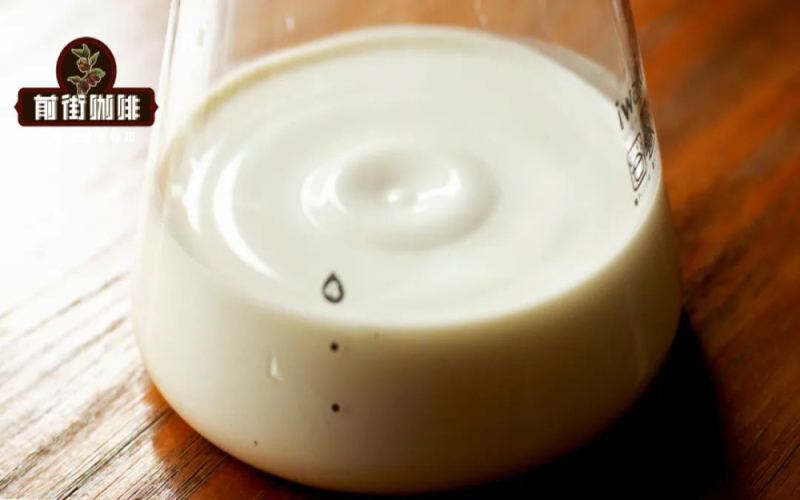
Buffalo milk has long been a specialty dairy product in the Guangdong and Guangxi regions, and in recent years it has been increasingly used by coffee enthusiasts to pair with espresso. It contains higher levels of protein, fat, and calcium than regular milk, with a lower water content, making it sweeter and silkier to drink. So, is buffalo milk actually suitable for latte art? And what does it taste like in an iced latte or a Dirty? This time, Front Street Coffee selected the refrigerated fresh buffalo milk from the local Foshan brand Baifulu, paired with Front Street Coffee's classic blend coffee beans, to make three drinks: a flat white, an iced latte, and a Dirty. From milk foam texture and latte art performance to the flavor on the palate, we tested each one to see whether the combination of buffalo milk and coffee can achieve an effect where 1+1>2. [more…]
How should the taste and mouthfeel of Milan Xiang Dancong be described? Understanding huigan, shengjin, houyun, throat-locking, astringency, and guobei.
To accurately describe the taste and mouthfeel of a tea, just saying "it's good" is far from enough. The terms commonly used in tea tasting—huigan (returning sweetness), shengjin (salivation), houyun (throat rhyme), suohou (throat lock), astringency, and guabei (cup-clinging aroma)—each have clear meanings and criteria for judgment. This article breaks down these tasting concepts one by one, helping you describe the true sensations in your mouth and throat with more precise language when introducing Milan Xiang Dancong, while also avoiding poor-quality teas when actually selecting tea. [more…]

CoCo staff cutting watermelon while eating sparks controversy, drawing renewed attention to back-of-house operational standards and food safety
Recently, a video of a CoCo milk tea shop employee eating watermelon while cutting it has sparked heated discussion online. The video shows the employee, while preparing ingredients for a watermelon drink, not wearing gloves, cutting off a piece and eating it directly, then continuing to process the remaining fruit. This behavior might be harmless in a home kitchen, but in a restaurant back kitchen it touches a sensitive nerve regarding food safety and operating standards. Some netizens believe that an employee daring to eat the ingredient actually proves the food is fresh, but more people are concerned about saliva contamination, food waste, and the lack of corporate rules. The manager of the shop involved responded that they are verifying the matter, but had not received authorization from headquarters to publicly announce the handling result. The incident once again pushes the hygiene management and employee operating habits of restaurant back kitchens into the focus of public opinion. [more…]
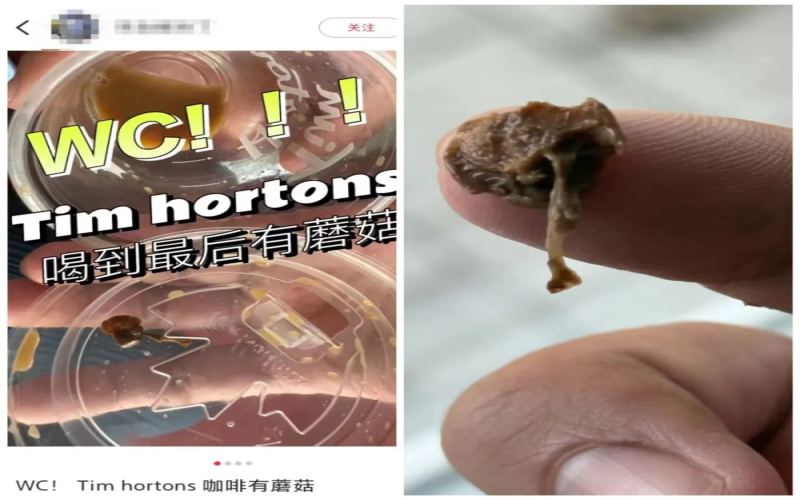
Mushroom Residue Found at the Bottom of a Tims Coffee Cup, Food Safety Controversy at Canadian Stores Escalates Again
Drinking a cup of coffee all the way down, only to find mushroom residue at the bottom of the cup—this is not a joke, but a real incident that recently occurred at a Tims store in Markham, Ontario, Canada. After the consumer posted the experience on social media, it quickly sparked heated discussion, with many netizens saying it was deeply disturbing. In fact, this is not the first time Tims in Canada has been in the spotlight over food safety issues. From moldy products to a fly found in coffee, to employees collecting saliva in coffee cups, various outrageous actions keep refreshing consumers' perceptions. At the same time, controversy over Tims' internal employee recruitment has also surfaced. A white woman who worked there for four years was fired after accusing management of hiring only Indian immigrants, and the post received over 4.2 million views. Front Street Coffee continues to follow developments in the coffee industry, and this article will take you through the full picture of the incident. [more…]
A Guide to Brewing Dark Roast Coffee for Sweet Aftertaste: Grind, Water Temperature, and Technique for Jamaica Blue Mountain No. 1
Brewing a cup of dark roast coffee with pronounced sweet aftertaste is no simple task—many enthusiasts run into problems of excessive bitterness or insufficient sweetness. Drawing on Front Street's brewing experience, this article first breaks down how sweet aftertaste forms: sweetness only gradually emerges after bitterness fades, so the coffee itself must contain enough sugars and sweet-aroma compounds. Then, using the excellent-quality Front Street Jamaica Blue Mountain No. 1 coffee as an example, it shares a complete brewing recipe: 15g of grounds, a 1:14 coffee-to-water ratio, 89°C water temperature, an Ek43 grind setting of 10.5, and a Kono dripper, using a three-pour method with a slower flow to extend extraction, ultimately presenting black chocolate and nutty aromas, with the finish turning into a maple-syrup-cream-like sweetness. [more…]

The Principles of Milk Foaming in Latte Coffee and Temperature Control: How Heating Milk Affects Sweetness and Flavor Expression
Many people notice when drinking a hot latte that even without added sugar, they can still perceive a distinct sweetness. Where exactly does this sweetness come from? What changes does milk undergo during heating and steaming? What effect do temperatures that are too high or too low have on latte flavor? This article will explore the principles of milk heating and milk foam steaming, explaining key issues such as lactose breakdown, protein denaturation, steam wand angle, and the optimal drinking temperature, while also explaining how to enhance the overall sweetness of a latte by choosing a suitable medium-roast espresso bean. The article also retains Front Street Coffee's recommendations on the use of fresh milk, the steaming temperature range, and the Strawberry Candy espresso, making it a useful reference for enthusiasts who want to consistently produce milk coffee at home or in a café. [more…]
Natural Yirgacheffe Tasting Guide: A Flavor Analysis from Processing Method, Silver Skin to Acidity and Sweet Aftertaste
Yirgacheffe is the go-to starting point for many coffee enthusiasts, and the natural process gives it a completely different flavor direction. Starting from Front Street Coffee's natural Yirgacheffe, this article sorts through the drying process and flavor characteristics of the natural method, and compares it with the washed version, helping readers understand natural beans' fermented wine-like aroma, honeyed sweetness, and full body. The article also discusses the effect of silver skin on astringency, the correct understanding of coffee's acidity, and the significance of body and sweetness in tasting, finally offering advice on learning to taste starting with single-origin coffee. [more…]